
Shivaratri (also spelled Shiva Ratri) is the most sacred and auspicious night dedicated to Lord Shiva, the supreme deity in Hindu philosophy representing cosmic consciousness, meditation, and spiritual transformation. The name 'Shivaratri' literally means 'the night of Shiva' - a time when devotees connect with the divine through intense prayer, fasting, and meditation. Shivaratri is observed twice monthly on the 14th day of the dark moon (Krishna Paksha), with Maha Shivaratri (the Great Night of Shiva) occurring annually in February or March being the most significant and auspicious celebration. On this sacred night, the veil between material and spiritual realms is believed to be thinnest, making it the most powerful time for spiritual practices, meditation, and seeking Lord Shiva's grace. This page provides accurate Shivaratri dates and timings for 2026, helping devotees prepare for this supreme spiritual occasion and maximize their spiritual gains.
Shivaratri holds the highest spiritual significance in Hindu philosophy and practice. According to sacred Hindu texts, Shivaratri is the night when Lord Shiva performed the cosmic dance (Tandava) and meditated on Mount Kailash. The spiritual energy during Shivaratri is extraordinarily powerful, making it ideal for: Meditation and Inner Awakening: The stillness of Shivaratri night facilitates deep meditation and connection with the divine self. Cleansing of Karma: Sincere observance of Shivaratri is believed to cleanse accumulated karmic debts and negative patterns. Liberation and Moksha: Devotional practices during Shivaratri accelerate progress toward spiritual liberation. Enlightenment: Many spiritual seekers report experiences of higher consciousness and divine grace during Shivaratri worship. Protection and Blessings: Lord Shiva's protective energy envelops sincere devotees during this sacred night. The cosmic significance of Shivaratri lies in the lunar position - the 14th lunar day marks a specific gravitational alignment that ancient yogis recognized as conducive to spiritual advancement.
| Date | Day | Shivaratri |
|---|---|---|
| Jan 16, 2026 | Friday | Masik Shivaratri |
| Feb 15, 2026 | Sunday | Maha Shivaratri |
| Mar 17, 2026 | Tuesday | Masik Shivaratri |
| Apr 15, 2026 | Wednesday | Masik Shivaratri |
| May 15, 2026 | Friday | Masik Shivaratri |
| Jun 13, 2026 | Saturday | Masik Shivaratri |
| Jul 12, 2026 | Sunday | Masik Shivaratri |
| Aug 11, 2026 | Tuesday | Masik Shivaratri |
| Sep 09, 2026 | Wednesday | Masik Shivaratri |
| Oct 08, 2026 | Thursday | Masik Shivaratri |
| Nov 07, 2026 | Saturday | Masik Shivaratri |
| Dec 07, 2026 | Monday | Masik Shivaratri |
Maha Shivaratri (Great Night of Shiva) is the annual grand celebration occurring in February or March (Hindu month of Phalguna), considered the most auspicious Shivaratri of the year. According to mythology, Maha Shivaratri commemorates Lord Shiva's cosmic victory and celestial wedding. This night witnesses massive temple celebrations, all-night vigils with thousands of devotees, special rituals, and divine manifestations. Many spiritual seekers report profound experiences during Maha Shivaratri. Masik Shivaratri (Monthly Shivaratri) occurs 12 times yearly on the 14th day of each dark moon phase. These monthly observances are ideal for regular spiritual practitioners to maintain consistent connection with Lord Shiva. While less elaborate than Maha Shivaratri, Masik Shivaratri nevertheless offers substantial spiritual benefits. Regular Masik Shivaratri observance accumulated over a year creates a foundation that amplifies Maha Shivaratri's spiritual impact.
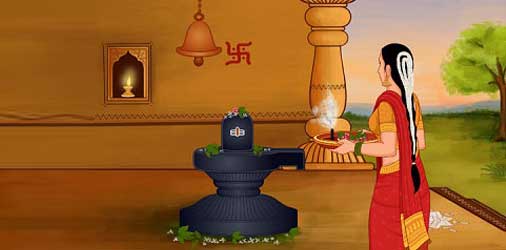
Proper observance of Shivaratri maximizes spiritual benefits and facilitates direct connection with Lord Shiva. Fasting: Observe complete or partial fast (consuming only fruits, milk, and sattvic foods) to purify the body-mind and heighten spiritual sensitivity. Many devotees fast for the entire 24 hours. Temple Worship: Visit a Shiva temple during Shivaratri hours, offer prayers, water, milk, and yogurt to the Lingam (Shiva's representation). Participate in Abhisheka (ritual bathing) of the Lingam if available. All-Night Vigil: Remain awake throughout Shivaratri night, avoiding sleep to utilize the spiritual energy fully. Many temples provide music, chanting, and meditation guidance. Mantra Recitation: Continuously chant sacred mantras like 'Om Namah Shivaya' (the most powerful Shiva mantra), or 'Mahakal Mantra' to invoke Lord Shiva's presence. Meditation: Sit in meditation during the night, focusing on the divine presence of Lord Shiva within and around you. Reading Sacred Texts: Study Shiva Purana, Upanishads, or other spiritual literature to deepen philosophical understanding.
Regular Shivaratri observance brings profound transformations across all life dimensions. Spiritual Awakening: Shivaratri accelerates spiritual unfoldment and brings seekers closer to self-realization and enlightenment. Mental Peace and Clarity: The meditative energy of Shivaratri brings mental tranquility, clarity of thought, and freedom from anxieties and worries. Emotional Healing: Shivaratri practice heals emotional wounds, releases suppressed emotions, and brings emotional equilibrium. Health Benefits: The extended fasting and meditation during Shivaratri detoxify the body, strengthen the immune system, and promote overall physical well-being. Karmic Liberation: Sincere Shivaratri observance is believed to neutralize past karmic debts and negative patterns. Divine Protection: Lord Shiva's protective shield surrounds regular Shivaratri observers, safeguarding them from negative influences. Fulfillment of Desires: Sincere prayers during Shivaratri are believed to be fulfilled by Lord Shiva's grace. Accelerated Evolution: Shivaratri practice exponentially accelerates spiritual evolution, potentially advancing years of spiritual practice into days.
Fasting is central to Shivaratri observance and should be done mindfully for optimal results. Complete Fast: Abstain from all food and consume only water or coconut water throughout the day and night. Partial Fast - Option 1: Consume only fruits (banana, apple, pomegranate), fruit juices, and milk until evening, then fast overnight. Partial Fast - Option 2: Consume sattvic (pure) foods like: milk, yogurt, khichdi (rice-lentil porridge), idly (steamed rice cake), upma (semolina porridge), and light vegetables without spices. Breaking the Fast: After Shivaratri completion, eat light meals with minimal spices and oil - preferably the foods mentioned above. Avoid heavy, fried, or processed foods immediately. Prohibited Foods: Strictly avoid meat, fish, eggs, alcohol, onions, garlic, salt (in some traditions), and all processed foods during Shivaratri. Health Precautions: If you have diabetes, heart conditions, low blood pressure, or are on medications, consult a doctor before fasting. Pregnant and nursing women should observe modified fasting. Mental Attitude: Maintain pure thoughts, avoid negative emotions, and keep focus on Lord Shiva throughout the fast.
Staying awake during Shivaratri allows you to fully utilize the heightened spiritual energy and cosmic alignment of this sacred night. Sleep robs you of this precious spiritual opportunity. The all-night vigil represents spiritual alertness, dedication to the divine, and resistance to spiritual inertia. Many advanced practitioners report breakthrough spiritual experiences during all-night Shivaratri meditation.
Absolutely yes. Shivaratri fasting is universally recommended for all devotees regardless of gender. Women are equally encouraged to observe Shivaratri with the same commitment as men. Married women specifically observe Shivaratri for the well-being and longevity of their husbands and children. Pregnant women should observe modified fasting under medical guidance.
Maha Shivaratri is cosmically the most auspicious Shivaratri, occurring at a specific lunar position (14th day of Phalguna month) when cosmic energies are maximally aligned. This particular date is historically significant with many divine events occurring on this night. The spiritual amplification on Maha Shivaratri is exponentially higher than Masik Shivaratri.
While fasting is highly recommended and amplifies Shivaratri benefits, it is not strictly mandatory. The core essence of Shivaratri is sincere devotion to Lord Shiva through meditation, prayer, and consciousness elevation. If you cannot fast due to health reasons, participate fully through other practices like chanting, temple worship, meditation, and staying awake.
The traditional practice discourages sleep during Shivaratri. However, if you have health issues or cannot manage a full all-night vigil, brief rest (15-30 minutes) may be taken while maintaining spiritual focus. The goal is to be as awake as possible to absorb Shivaratri's spiritual energy.
There are no negative consequences for missing Shivaratri. You can simply observe the next Shivaratri (either Masik or Maha depending on timing). However, consistency creates spiritual momentum. Try to observe as many Shivaratri dates as possible in the year to establish a strong Shiva-connected spiritual practice.
'Om Namah Shivaya' is the supreme Shiva mantra and most recommended for Shivaratri. Other mantras include 'Hara Hara Mahadeya', 'Maha Kaal Mantra', and the Invocation of Lord Shiva from Rigveda. Continuous chanting of these mantras throughout Shivaratri night is highly effective.
Sit in a quiet location, close your eyes, and focus your attention on the space between your eyebrows (third eye). Visualize Lord Shiva in his cosmic form or as the eternal light within. Continue chanting your chosen mantra mentally while maintaining this focus. Let meditation deepen naturally without forcing it.