
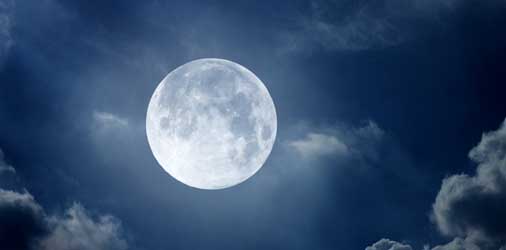
Chandra Darshan (also spelled Chandra Darshanam or Chandra Darshana) literally means 'viewing the moon' and is an ancient and sacred astronomical and spiritual practice in Tamil and Hindu traditions. It represents the intentional observation of the moon at specific times during its lunar cycles, particularly during full moon (Pournami) phases. Chandra Darshan is not merely casual moon-gazing - it is a spiritual practice with deep cosmic significance, grounded in Vedic astronomy and yoga traditions. The moon holds tremendous significance in Hindu spirituality and science, governing tides, emotions, mind, and spiritual consciousness. Regular observation of the moon during auspicious Chandra Darshan times is believed to enhance meditation, balance emotions, harmonize mind-body connection, and facilitate spiritual growth. This comprehensive calendar provides accurate Chandra Darshan dates and viewing times for 2026, enabling you to plan your lunar observations and spiritual practices according to the natural rhythms of our celestial neighbor.
Chandra Darshan is rooted in both scientific observation and spiritual practice. The moon has been studied and revered since ancient times, influencing tides, weather patterns, biological cycles, and human consciousness. In Vedic astrology and Ayurveda, the moon (Chandra) is considered a vital celestial body that governs: Mind and Emotions: The moon controls the mind, emotions, and mental clarity. Observing the moon during Chandra Darshan stabilizes mental fluctuations and brings emotional balance. Physical Health: Lunar cycles influence sleep patterns, hormones, and physical vitality. Regular moon observation supports natural biological rhythms. Spiritual Consciousness: In yoga and meditation practices, the moon represents the cooling, calming, feminine principle (Ida Nadi) essential for spiritual awakening. Energy Cycles: Different lunar phases create varying energetic environments. Chandra Darshan during specific phases amplifies spiritual practices. Ancient yogis and sages recognized specific times when the moon's influence is most potent - these are the Chandra Darshan times provided in this calendar.
| Date | Day | Chandra Darshan Timings |
|---|---|---|
| Jan 20, 2026 | Tuesday | 06:04 PM to 07:25 PM |
| Feb 18, 2026 | Wednesday | 06:15 PM to 07:02 PM |
| Mar 20, 2026 | Friday | 06:20 PM to 07:32 PM |
| Apr 18, 2026 | Saturday | 06:22 PM to 07:16 PM |
| May 17, 2026 | Sunday | 06:28 PM to 07:07 PM |
| Jun 16, 2026 | Tuesday | 06:36 PM to 08:05 PM |
| Jul 15, 2026 | Wednesday | 06:40 PM to 07:40 PM |
| Aug 14, 2026 | Friday | 06:31 PM to 07:44 PM |
| Sep 12, 2026 | Saturday | 06:12 PM to 06:56 PM |
| Oct 12, 2026 | Monday | 05:52 PM to 06:51 PM |
| Nov 10, 2026 | Tuesday | 05:40 PM to 06:16 PM |
| Dec 10, 2026 | Friday | 05:43 PM to 06:43 PM |
Pournami (Full Moon) Chandra Darshan: The full moon provides the most direct and powerful moon observation opportunity. The fully illuminated moon is visible for extended periods and offers maximum spiritual and health benefits. Full moon viewing is ideal for meditation, manifestation practices, and connecting with feminine divine energy. Amavasai (New Moon) Chandra Darshan: While the new moon is not directly visible, the Amavasai period represents a cosmic void - an ideal time for introspection, releasing negative patterns, and inner cleansing through meditation. Sukla Paksham (Waxing Moon): During the fortnight when the moon grows from new to full, the increasing lunar energy is ideal for building spiritual practices, initiating new projects, and meditation for attracting positive energy. Krishna Paksham (Waning Moon): As the moon decreases from full to new, this period represents completion, release, and transformation - ideal for meditation practices focused on letting go and inner transformation.
Proper Chandra Darshan practice maximizes spiritual and health benefits. Optimal Timing: Observe the moon during the times specified in the calendar for your location. These times represent when the moon is in the best position for observation. Clear Sky Viewing: Choose a location with clear sky visibility. Avoid places with heavy light pollution or haze. Rural or semi-rural areas provide better moon visibility. Direct Observation: Look directly at the moon with bare eyes (never look at the sun). While the full moon is bright, it is safe for direct viewing unlike the sun. Meditative Approach: Approach moon viewing with a meditative, reverent attitude rather than casual observation. Feel the moon's cooling, calming energy. Duration: Spend 15-30 minutes observing the moon. Longer observation (45 minutes to 1 hour) enhances benefits for advanced practitioners. Mental Focus: While observing, chant lunar mantras like 'Om Chandraya Namaha' or simply focus on your breath and heartbeat, feeling connected to the moon's cosmic rhythm.
Regular Chandra Darshan practice brings comprehensive benefits across multiple dimensions of well-being. Emotional Balance and Mental Peace: Moon observation reduces mental agitation, brings emotional stability, and promotes inner peace and tranquility. Enhanced Sleep Quality: Observing the moon regulates sleep-wake cycles (circadian rhythm), enhancing sleep quality and supporting natural rest patterns. Improved Meditation Practice: The moon's calming energy deepens meditation, making it easier to achieve meditative states and inner silence. Mental Clarity and Focus: Chandra Darshan sharpens mental faculties, enhances concentration, and improves cognitive function. Emotional Healing: The moon's cooling energy helps release emotional trauma, suppressed feelings, and promotes emotional expression and healing. Hormonal Balance: Regular moon observation supports hormonal balance, particularly beneficial for women's health and menstrual cycle regulation. Spiritual Awakening: Advanced practitioners report spiritual experiences, enhanced intuition, and connection with higher consciousness through Chandra Darshan. Stress Reduction: The meditative quality of moon observation reduces stress hormones (cortisol) and promotes relaxation response in the body.
Full Moon (Pournami) Practice: The most auspicious time for Chandra Darshan. Meditate while observing the full moon for 20-30 minutes. Chant 'Om Chandraya Namaha' or visualization practices. This time is ideal for gratitude, manifestation, and connecting with divine feminine energy. Many spiritual seekers report profound meditation experiences during full moon viewing. New Moon (Amavasai) Practice: Although the moon is not visible, practice meditation during new moon hours, focusing inward. This is ideal for introspection, releasing negative patterns, and inner transformation. New moon darkness facilitates internal focus better than external observation. First Quarter Phase: The waxing moon represents growth and manifestation. Conduct vision-setting meditations while observing the growing moon. Perfect for intentions and goal-setting practices. Last Quarter Phase: The waning moon represents completion and release. Practice meditation focused on letting go, forgiveness, and transformation. Ideal for completing projects and releasing accumulated negativity.
For optimal Chandra Darshan experience, follow these guidelines: Regular Practice: Consistency amplifies benefits. Aim to observe the moon at scheduled times weekly or during significant lunar phases. Undisturbed Time: Find a quiet location free from distractions. Switch off phones and minimize external interruptions to ensure deep observation and meditation. Comfortable Positioning: Sit in a comfortable meditation posture (Sukhasana or Padmasana) with your spine straight, allowing energy flow. Mindful Breathing: While observing the moon, practice slow, deep breathing (Pranayama) to enhance the meditative state. Avoid Clouds and Haze: If clouds obscure the moon, practice an alternative meditation visualizing the moon and its light. Safety Note: While full moon viewing is safe, never attempt to observe the sun. Gratitude Practice: After Chandra Darshan, spend a moment in gratitude to the moon and its cosmic gifts. Journal Insights: Consider maintaining a moon observation journal documenting your experiences, insights, and spiritual experiences.
The times listed in our calendar represent the optimal moonrise and visibility hours for your location. However, the moon is typically visible soon after moonrise for 1-2 hours. You can observe for any duration within and after the listed times, though the first 30 minutes after moonrise offers the best viewing and spiritual energy.
Yes, observing the full moon with bare eyes is completely safe, unlike the sun which can cause serious eye damage. The moon reflects sunlight but is not a direct light source. Regular moon observation has been practiced safely for thousands of years. However, if you feel eye strain, look away and rest your eyes.
Absolutely yes. If clouds obscure the moon, practice meditation during the scheduled Chandra Darshan time, visualizing the moon clearly in your mind's eye. Feel the moon's presence and energy even though it's hidden by clouds. Many advanced practitioners find this visualization practice equally effective.
Full moon (Pournami) Chandra Darshan involves direct observation of the illuminated moon and is excellent for meditation, manifestation, and activation of external energy. New moon (Amavasai) Chandra Darshan involves internal meditation during the dark phase, ideal for introspection, release, and inner transformation. Both are equally important and serve different spiritual purposes.
Begin with 15-20 minutes of daily observation and meditation. As your practice deepens, you can extend to 30-45 minutes. Advanced practitioners may practice for 1-2 hours. Quality of practice matters more than duration. Even 10 minutes of sincere, meditative moon observation provides benefits.
Yes, Chandra Darshan is particularly effective for improving sleep quality. The moon's cooling energy regulates circadian rhythms. Practice Chandra Darshan 1-2 hours before bedtime for best sleep benefits. The meditative mental state from moon observation also promotes deeper rest.
The primary mantra is 'Om Chandraya Namaha' (salutations to the moon). Other mantras include: 'Som Somaya Namaha', 'Chandra Mukha Chandrayai Namaha'. You can also practice silent observation without mantras. Choose whichever resonates with your spiritual practice.
Yes, women often experience significant benefits from Chandra Darshan due to the moon's governing influence on feminine cycles and hormones. Regular practice supports menstrual health, hormonal balance, and emotional well-being. Women are particularly encouraged to observe the full moon for enhanced benefits.