
Ekadasi, derived from the Sanskrit words "Eka" (one) and "Dasa" (ten), represents the eleventh lunar day in both the Shukla (bright/waxing) and Krishna (dark/waning) fortnights of the Hindu lunar calendar. Each year brings 24 Ekadasi occurrences, each with unique names and spiritual significance. From the widely recognized Nirjala Ekadasi, observed without food or water, to the most sacred Mokshada Ekadasi marking the end of the year, these fasting days offer transformative spiritual experiences and cosmic alignment opportunities.
Ekadasi represents a sacred gateway to purification and spiritual elevation. The number eleven holds mystical significance in Hindu cosmology—it represents the path to enlightenment beyond the ten senses. When the Moon transits to the eleventh lunar day, its gravitational and energetic influence creates optimal conditions for fasting, meditation, and spiritual practices. According to ancient Vedic texts like the Puranas and the Bhagavata Purana, fasting on Ekadasi day and maintaining celibacy brings liberation from the cycle of birth and death (Moksha).
Complete Ekadasi Dates Calendar 2025-2026 with Monthly Timings:
| Date | Day | Ekadasi / Ekadashi | |
|---|---|---|---|
| January 2026 | |||
| Jan 14, 2026 | Wednesday | Shattila Ekadashi | |
| Jan 29, 2026 | Thursday | Jaya Ekadashi | |
| February 2026 | |||
| Feb 13, 2026 | Friday | Vijaya Ekadashi | |
| Feb 27, 2026 | Friday | Amalaki Ekadashi | |
| March 2026 | |||
| Mar 15, 2026 | Sunday | Papmochani Ekadashi | |
| Mar 29, 2026 | Sunday | Kamada Ekadashi | |
| April 2026 | |||
| Apr 13, 2026 | Monday | Varuthini Ekadashi | |
| Apr 27, 2026 | Monday | Mohini Ekadashi | |
| May 2026 | |||
| May 13, 2026 | Wednesday | Apara Ekadashi | |
| May 27, 2026 | Wednesday | Padmini Ekadashi | |
| June 2026 | |||
| Jun 11, 2026 | Thursday | Parama Ekadashi | |
| Jun 25, 2026 | Thursday | Nirjala Ekadashi | |
| July 2026 | |||
| Jul 10, 2026 | Friday | Yogini Ekadashi | |
| Jul 25, 2026 | Saturday | Devshayani Ekadashi | |
| August 2026 | |||
| Aug 09, 2026 | Sunday | Kamika Ekadashi | |
| Aug 24, 2026 | Monday | Vanjuli Mahadwadashi, Vaishnava Kamika Ekadashi | |
| September 2026 | |||
| Sep 07, 2026 | Monday | Aja Ekadashi | |
| Sep 22, 2026 | Tuesday | Parsva Ekadashi | |
| October 2026 | |||
| Oct 06, 2026 | Tuesday | Indira Ekadashi | |
| Oct 22, 2026 | Thursday | Papankusha Ekadashi | |
| November 2026 | |||
| Nov 05, 2026 | Thursday | Rama Ekadashi | |
| Nov 20, 2026 | Friday | Devutthana Ekadashi | |
| December 2026 | |||
| Dec 04, 2026 | Friday | Utpanna Ekadashi | |
| Dec 220, 2026 | Sunday | Mokshada Ekadashi | |
Each of the 24 Ekadasi occurrences throughout the lunar year possesses distinct characteristics and spiritual purposes. The complete Ekadasi calendar includes: Shattila Ekadasi (January) - Offers relief and symbolizes shedding unnecessary burdens; Jaya Ekadasi (January) - Victory of divine consciousness; Vijaya Ekadasi (February) - Triumph over internal enemies; Amalaki Ekadasi (March) - Associated with the Amalaki tree, heals ailments; Kamada Ekadasi (March) - Fulfiller of desires; Varuthini Ekadasi (April) - Blessings of health and prosperity; Mohini Ekadasi (April) - References Lord Vishnu's avatar; Apara Ekadasi (May) - Removes infinite sins; Padmini Ekadasi (May) - Brings divine grace; Parama Ekadasi (June) - Ultimate spiritual culmination; Nirjala Ekadasi (June) - Most sacred, observed without water; Yogini Ekadasi (July) - Enhances meditation; Devshayani Ekadasi (July) - Day of rest and introspection; Kamika Ekadasi (August) - Divine love fulfillment; Vanjuli Ekadasi (August) - Celebrates Lord Vishnu's awakening; Aja Ekadasi (September) - Connects with eternal divine nature; Parsva Ekadasi (September) - Liberation from karma cycles; Indira Ekadasi (October) - Brings prosperity and wealth; Papankusha Ekadasi (October) - Destroys sins; Rama Ekadasi (November) - Lord Rama's victory; Devutthana Ekadasi (November) - Lord Vishnu's awakening; Utpanna Ekadasi (December) - Origin of Ekadasi practice; Mokshada Ekadasi (December) - Most sacred final Ekadasi of the year.
Proper observation of Ekadasi fasting follows time-tested Vedic protocols. Nirjala Vrat (Complete Fast without Food or Water) - Most rigorous form, primarily observed on Nirjala Ekadasi. Partial Fasting with Fruits and Milk - Suitable for beginners and elderly individuals. Single Meal Fasting - Consuming one simple meal once during daytime. Phalahar (Fruit Diet) - Restriction to fruits, dairy, nuts, and light vegetables. Sattvic Fast with Sabudana and Potatoes - Specific foods like sabudana, potatoes, milk, and rock salt.
Regular Ekadasi fasting creates profound transformations across physical, mental, emotional, and spiritual dimensions. Spiritual benefits include direct access to divine consciousness, karmic purification, enhanced meditation, and progress toward Moksha. Physical benefits include digestive rest, toxin elimination, enhanced immunity, and weight management. Mental and emotional benefits include psychological clarity, emotional balance, memory enhancement, and will power development.
Following proper dietary protocols ensures both spiritual effectiveness and physical safety. Foods to consume include fresh and dried fruits, milk products, nuts and seeds, honey, herbal teas, potatoes and select vegetables, rock salt, sabudana, and roasted chickpeas. Foods strictly prohibited include all grains, legumes, onions and garlic, non-vegetarian foods, intoxicants, canned and processed foods, spicy and fried foods, and regular salt.
Find answers to common questions about Ekadasi observance, benefits, and practices:
Both possess equal spiritual merit; Shukla Ekadasi (waxing moon) emphasizes positive manifestation and abundance-building, while Krishna Ekadasi (waning moon) focuses on releasing negativity and karmic clearing. Many practitioners observe both for comprehensive spiritual coverage throughout the lunar month.
Children above 8 years may observe partial fasts with parental guidance. Pregnant women should follow modified fasts (phalahar or single meal) but may observe complete Nirjala only if physically capable. The mother's health and the child's wellbeing always take priority over strict fasting rules.
According to Vedic texts, if accidental consumption occurs, continue the rest of the fast with full devotion. The intention and spiritual commitment matter more than physical perfection. You may also perform additional spiritual practices or donate to charity to enhance the day's spiritual value.
Nirjala Ekadasi (June) requires complete fasting without even water; considered most powerful for liberation. Other Ekadasis allow fruits, milk, and light foods. Nirjala is observed once per lunar year and offers concentrated, exponential spiritual benefits for advanced practitioners.
Yes; essential medications for health management should never be stopped without medical consultation. Fasting rules are secondary to maintaining health. Diabetics, those with chronic conditions, and individuals on regular medication should prioritize health over strict fasting protocols.
After Dwadashi (12th lunar day) begins—typically 3 hours after Ekadasi ends. The ideal practice is consuming light fruits first, then milk products, and finally returning to normal meals after 1-2 hours.
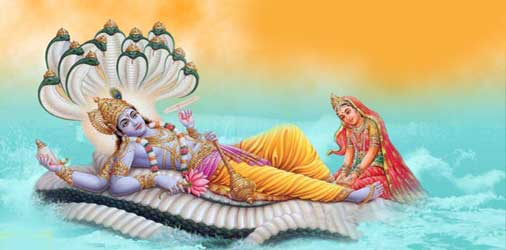
Ekadasi fasting directly honors Lord Vishnu as the cosmic preserver and sustainer. Devotional practices on this day strengthen the devotee-divine relationship. Monthly Ekadasi observance honors one of Lord Vishnu's 24 avatars or aspects, deepening the spiritual connection with different divine qualities.
Yes; Lord Krishna states that even partial observance with sincere devotion brings benefits. The attitude, intention, and spiritual focus matter more than rigid adherence. Practicing vegetarianism, meditation, charity, and temple visits on Ekadasi brings measurable spiritual progress and divine grace.