
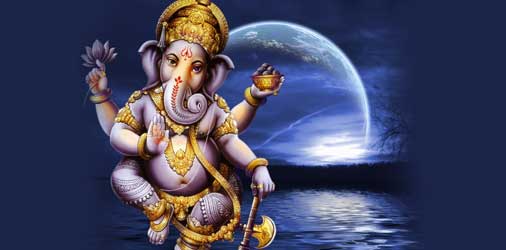
Sankatahara Chaturthi (also spelled Sankashti Chaturthi or Sakat Chauth in North India) is one of the most important and beloved festivals dedicated to Lord Ganesha, the elephant-headed deity of wisdom, intelligence, and remover of obstacles. The term 'Sankatahara' literally means 'remover of sorrows/obstacles', and 'Chaturthi' refers to the 4th lunar day. This sacred day is observed on the Krishna Paksha Chaturthi (4th day of the waning moon phase) every lunar month, making it occur approximately 12 times annually. The most prominent celebration is Angarki Chaturthi when Chaturthi falls on a Tuesday, and Karwa Chauth in October is another significant variation. Sankatahara Chaturthi is celebrated with fasting (Vrat), prayers, and rituals seeking Lord Ganesha's blessings for success, wisdom, and removal of life's obstacles. This comprehensive calendar provides accurate Sankatahara Chaturthi and Sankashti Chaturthi dates and timings for 2026, enabling you to plan your worship and spiritual practices.
Sankatahara Chaturthi holds profound spiritual importance in Hindu tradition as the day dedicated to removing obstacles and seeking divine wisdom. Lord Ganesha, whose worship on this day is paramount, is revered as: The Remover of Obstacles: Ganesha is invoked at the beginning of all auspicious ventures and rituals to ensure their successful completion. Prayers during Sankatahara Chaturthi remove obstacles blocking progress. The Lord of Wisdom and Intellect: Ganesha represents supreme intelligence, knowledge, and intellectualcapacity. Regular worship sharpens mental faculties and enhances learning ability. The Symbol of New Beginnings: Every new enterprise begins with Ganesha's worship, making Sankatahara Chaturthi ideal for starting new projects and ventures. The Bestower of Prosperity: Ganesha is believed to bring material prosperity, success in business, and financial abundance. The Divine Conductor: Ganesha oversees the movement of cosmic energies and is worshipped to harmonize life's patterns. The Krishna Paksha Chaturthi (dark moon Chaturthi) is particularly powerful because the moon's dark phase represents introspection and turning inward spiritually.
| Date | Day | Moonrise Timings |
|---|---|---|
| Jan 06, 2026 | Tuesday | 09:03 PM |
| Feb 05, 2026 | Thursday | 09:22 PM |
| Mar 06, 2026 | Friday | 08:48 PM |
| Apr 05, 2026 | Sunday | 09:11 PM |
| May 05, 2026 | Tuesday | 09:41 PM |
| Jun 04, 2026 | Thursday | 09:59 PM |
| Jul 03, 2026 | Friday | 09:20 PM |
| Aug 02, 2026 | Sunday | 09:13 PM |
| Sep 29, 2026 | Tuesday | 07:59 PM |
| Oct 29, 2026 | Thursday | 08:44 PM |
| Nov 27, 2026 | Friday | 08:40 PM |
| Dec 26, 2026 | Saturday | 08:30 PM |
Regular Sankashti Chaturthi: Occurs 12 times yearly on Krishna Paksha Chaturthi. Each monthly observance provides devoted followers opportunities to connect with Lord Ganesha and remove obstacles progressively. Angarki Chaturthi: The most significant and auspicious form occurs when Chaturthi falls on a Tuesday (Angarki in Tamil means Tuesday). This rare and powerful combination (occurring 2-3 times annually) amplifies spiritual benefits exponentially. Many spiritual seekers report life-transforming experiences on Angarki Chaturthi. Karwa Chauth (October Chaturthi): A special celebration in October-November where married women observe a fast for the well-being and longevity of their husbands, also offering prayers to Lord Ganesha. This has become a major festival in North India and is gaining prominence in South India. Sakat Chauth (January Chaturthi): The first Sankatahara Chaturthi of the year holds special significance as it sets the tone for the entire year's spiritual practices.
Proper observance of Sankatahara Chaturthi maximizes spiritual benefits and Lord Ganesha's blessings. Fasting (Vrat): Observe a complete or partial fast on Sankatahara Chaturthi. Full fast involves abstaining from all food and consuming only water or milk. Partial fast allows sattvic foods like fruits, milk, and light foods. The fast is broken after moon sighting or at moonrise time. Temple Worship: Visit a Ganesha temple during Sankatahara Chaturthi, offer prayers, flowers, incense, and worship the deity with reverence. Participate in Aarti (ritual light offering) if available. Home Puja: If unable to visit temples, establish a home altar with Ganesha's idol or image, offer prayers, flowers, and light lamps. Mantra Recitation: Chant sacred Ganesha mantras: 'Om Gam Ganapataye Namaha' (most powerful), 'Vakratunda Mahakaya', or 108 repetitions of any Ganesha mantra. Modak Offering: Modak (a sweet dumpling) is traditionally offered to Ganesha. After worship, distribute modak and sweets as Prasad (blessed offering). Meditation and Reflection: Spend time in meditation focusing on removing mental obstacles, seeking clarity, and invoking Ganesha's wisdom.
Regular Sankatahara Chaturthi observance brings transformative benefits across all life areas. Obstacle Removal: The primary benefit is removal of obstacles blocking progress in career, relationships, education, and spiritual path. Career Advancement and Business Success: Those in business, employment, or entrepreneurship experience accelerated growth and success after sincere Sankatahara Chaturthi worship. Academic Excellence: Students benefit from enhanced learning, improved concentration, better exam results, and academic success. Problem-Solving Ability: Ganesha's blessing enhances creative thinking and problem-solving capacity, helping navigate life's challenges wisely. Spiritual Obstacles Removal: Those on spiritual paths experience clearer progress, faster spiritual evolution, and deepened meditation. Financial Prosperity: Ganesha worship during Sankatahara Chaturthi attracts financial abundance and removes financial obstacles. Mental Peace: The meditative practice brings mental clarity, peace, and relief from anxiety and confusion. Harmony and Good Fortune: Overall life harmony improves, relationships strengthen, and good fortune manifests in daily life.
Proper fasting approach on Sankatahara Chaturthi enhances spiritual benefits. Complete Fasting: Abstain from all food and water throughout the day and break the fast after moonrise. This intensive practice amplifies spiritual benefits. Partial Fasting - Option 1: Consume fruits (banana, apple, pomegranate), fruit juices, milk, and milk products only - avoid grains and vegetables. Partial Fasting - Option 2 (Modak/Khichdi Fast): Consume light foods like modak (Ganesha's favorite sweet), khichdi (rice-lentil mix with minimal spices), milk, and fruits. Breaking Fast: After Sankatahara Chaturthi time (ideally after moonrise), eat light, sattvic foods like khichdi, sweet dishes, or the festive modak. Avoid heavy, fried, or non-vegetarian foods. Foods to Avoid: Strictly avoid onions, garlic, meat, fish, eggs, alcohol, and non-vegetarian items during the fast. Health Precautions: If you have health conditions like diabetes or heart disease, consult a doctor before fasting. Pregnant women and young children should observe modified fasting. Mental Discipline: Use the fasting period for mental purity - avoid negative thoughts, gossip, and focus on devotion to Ganesha.
The moonrise time marks the beginning of Chaturthi day in the lunar calendar. The Chaturthi Tithi (4th lunar day) is most powerful during moonrise. Fasting is typically broken after moonrise to maximize spiritual benefits. Many devotees ensure their prayers are completed before moonrise for optimal results.
When Sankatahara Chaturthi falls on a Tuesday (Angarki), the combined energy of Mars (Angaraka) and Ganesha amplifies spiritual vibrations exponentially. This rare combination (occurring 2-3 times yearly) is considered the most powerful for obstacle removal and manifestation of desires.
Absolutely yes. Women are equally encouraged to observe Sankatahara Chaturthi with full devotion and fasting. Married women particularly observe Karwa Chauth (October Chaturthi) for their husbands' well-being. Pregnant women can observe modified fasting under medical guidance.
Modak is a sweet dumpling made from rice flour and jaggery, traditionally offered to Lord Ganesha as it is considered his favorite food. Offering modak shows devotion and gratitude. After worship, modak is distributed as Prasad (blessed offering) to family members, spreading divine blessings.
According to Hindu philosophy, Ganesha is the supreme remover of obstacles (Vighnaharta). His blessings clear mental blockages, provide wisdom to navigate challenges, and create favorable circumstances. Sincere prayer and fasting invoke his cosmic power to transform obstacles into opportunities.
There are no negative consequences for missing a single Sankatahara Chaturthi. However, consistency is valued - monthly observation accumulates spiritual benefits. Try to observe as many Sankatahara Chaturthi dates as possible throughout the year for maximum benefits and stronger connection with Lord Ganesha.
Yes, absolutely. While temple worship enhances the experience through collective energy, sincere home worship is equally valid. Set up a prayer altar, meditate, chant Ganesha mantras, and fast with devotion. The key is sincere intention and devotion, not the location.
The most powerful mantra is 'Om Gam Ganapataye Namaha'. Other effective mantras: 'Vakratunda Mahakaya Suryakoti Samaprabha', 'Om Ganapataye Namaha', and 'Ganesha Gayatri Mantra'. Chanting 108 repetitions of any Ganesha mantra during fasting amplifies benefits significantly.