
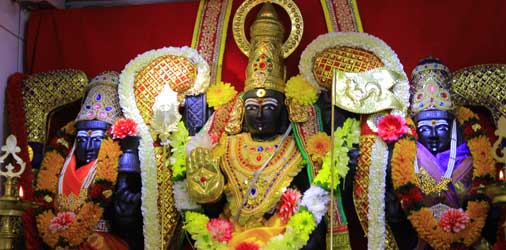
Shashti (or Shashthi) is the sixth day of both the waxing and waning moon phases in the Tamil lunar calendar, and it holds profound spiritual significance in Hindu and Tamil religious traditions. This sacred day is dedicated to Lord Muruga (Skanda), the divine warrior deity representing wisdom, courage, and material prosperity. Shashti is primarily celebrated as a protection day and is especially revered for fulfilling wishes and removing obstacles from one's path. Different types of Shashti are observed throughout the year, with Skanda Shashti being the most significant annual celebration in October-November, commemorating Lord Muruga's victory over the demon Sura Padman in a legendary spiritual war. This page provides accurate Shashti dates and timings for 2026, helping devotees plan their worship and spiritual observances for maximum benefits.
Shashti holds exceptional spiritual importance in the Tamil Hindu tradition as the day of Lord Muruga's divine manifestation. The significance of Shashti extends across multiple dimensions: Divine Protection: Observing Shashti invokes Lord Muruga's protective forces against all forms of negativity and harm. Obstacle Removal: Muruga is known as 'Kartikeya the Victorious'; prayers during Shashti remove obstacles and ensure success in endeavors. Wealth and Prosperity: Regular Shashti observance attracts material abundance and financial prosperity. Health and Well-being: The spiritual vibrations during Shashti promote physical health, mental clarity, and emotional balance. Courage and Fearlessness: Muruga's warrior nature and cosmic victory story inspire courage and confidence in devotees. The observance of Shashti is rooted in the famous legend where Lord Muruga defeated the asuras (demons) after a cosmic battle lasting six days, finally vanquishing Sura Padman on the sixth day - hence the name 'Shashti' (the sixth).
Skanda Shashti: The most prominent form of Shashti, celebrated in October-November (Hindu month of Aippasi) during the Krishna Paksha (waning moon). Legend says this is when Lord Muruga defeated Sura Padman. Skanda Shashti is observed for six consecutive days with special rituals and culminates in grand temple celebrations. Soora Samharam (Sura Samharam): Occurs on the sixth lunar day specifically dedicated to commemorating Lord Muruga's victory over all demons. This is celebrated annually and is considered especially potent for removing strong obstacles. Skanda Samharam: Celebrated in October as part of Dussehra/Vijayadashami festival season, linking to Lord Muruga's victory and warrior nature. Subrahmanya Shashti: Another variation observed later in the year (December) specifically honoring Lord Muruga by his alternative name 'Subrahmanya' (Subramanya). Masik Shashti: Monthly Shashti occurring on the 6th day of each lunar month (waxing and waning phases), allowing devotees to frequently connect with Muruga's divine energy.
| Date | Day | Shashti |
|---|---|---|
| Jan 24, 2026 | Saturday | Skanda Shashti |
| Feb 22, 2026 | Sunday | Skanda Shashti |
| Mar 24, 2026 | Tuesday | Skanda Shashti |
| Apr 22, 2026 | Wednesday | Skanda Shashti |
| May 21, 2026 | Thursday | Skanda Shashti |
| Jun 19, 2026 | Friday | Skanda Shashti |
| Jul 19, 2026 | Sunday | Skanda Shashti |
| Aug 17, 2026 | Monday | Skanda Shashti |
| Sep 16, 2026 | Wednesday | Skanda Shashti |
| Oct 16, 2026 | Friday | Skanda Samharam |
| Nov 15, 2026 | Sunday | Soora Samharam |
| Dec 15, 2026 | Tuesday | Subrahmanya Shashti |
Proper observance of Shashti maximizes spiritual benefits and divine blessings. Temple Worship: Visit a Muruga temple during Shashti hours, witness or participate in special pujas (rituals), and offer prayers with sincere devotion. Many temples perform Abhisheka (ritual bathing) of Muruga's idol during Shashti. Fasting: Observe a full fast or partial fast consuming only fruits and milk products to purify body and mind. Mantra Recitation: Chant 'Om Saravana Bhavaya Namaha' or 'Kumaraaya Namaha' or 'Shadanana Stotram' continuously to invoke Muruga's presence and blessings. Circumambulation: Perform clockwise circumambulation around Muruga temple sanctum to show respect and receive divine protection. Warrior Stories Reading: Read or listen to stories of Lord Muruga's victories from Hindu scriptures, especially the Skanda Purana and Kanda Puranas. Charity and Service: Engage in charitable acts, feed the poor, or serve at temples to accumulate spiritual merit (punya) and please the divine warrior lord.
Regular Shashti observance brings transformative benefits to all aspects of life. Protection from Negativity: Lord Muruga's warrior energy shields devotees from negative forces, evil eye, and harmful influences. Overcoming Obstacles: Complex life problems and persistent obstacles dissolve through sincere Shashti worship. Enhanced Courage: Muruga's warrior consciousness instills fearlessness, confidence, and the strength to face challenges decisively. Improved Relationships: Family harmony improves as Shashti removes conflicts and misunderstandings. Career Success: Professional advancement accelerates as obstacles clear and opportunities multiply. Mental Clarity: Practitioners report sharper intellect, better decision-making ability, and creative problem-solving. Spiritual Awakening: Shashti observance accelerates spiritual evolution, deepens meditation, and facilitates experiences of divine presence. Health and Vitality: The spiritual cleansing of Shashti enhances physical health, boosts immunity, and increases energy levels.
For safe and effective Shashti observance, follow these fasting guidelines. Complete Fast: Abstain from all food and consume only water or warm milk throughout the fast. Partial Fast: Consume fruits (banana, apple, pomegranate) and milk products; avoid grains, legumes, and spices. Breaking the Fast: After Shashti time ends, eat simple sattvic (pure) foods like khichdi, idly, dosa, or upma with minimal spices. Hydration: Drink plenty of water, coconut water, or herbal tea during fasting to stay energized. Avoid These: Strictly avoid meat, fish, eggs, alcohol, onion, garlic, and heavy processed foods during Shashti fasting. Health Precautions: If you have diabetes, heart conditions, or other health issues, consult a doctor before fasting. Pregnant women and young children can observe modified fasting with parental guidance. Mental State: Maintain peaceful thoughts and positive mental attitude; avoid anger and negativity during the fast.
Skanda Shashti commemorates the legendary six-day cosmic war where Lord Muruga defeated the powerful demon Sura Padman, achieving one of the most significant spiritual victories. This historical-mythological event is considered pivotal in Hindu cosmology, representing the triumph of good over evil, and the restoration of cosmic order. The six-day celebration ending on the sixth day (Shashti) is deeply symbolic.
Unlike many festivals celebrating historical events or seasonal changes, Shashti specifically focuses on Lord Muruga's warrior nature and protective power. While Diwali celebrates goodness over evil generally, Shashti specifically invokes Muruga's unique qualities of courage, victory, and obstacle removal. The emphasis is on protection and personal transformation through divine warrior consciousness.
Yes, absolutely. Shashti fasting is universally prescribed for all devotees regardless of gender. Women often observe Shashti with the same commitment as men, fasting and visiting temples. Married women specifically observe Shashti for family protection and well-being of children. Pregnant women should observe modified fasting with medical guidance.
The six-day observance during Skanda Shashti period mirrors the legendary six-day war where Lord Muruga battled demons. Each day represents a different stage of spiritual evolution and obstacle removal. The progressive observance builds spiritual momentum, culminating in complete obstacle removal and divine grace reception on the final Shashti day.
Masik (monthly) Shashti provides regular spiritual connection with Muruga, occurring 24 times yearly. Annual Shashti, especially Skanda Shashti, is more elaborate with grander temple celebrations, special rituals, and stronger spiritual vibrations. Regular Masik Shashti observance accumulates spiritual merit; annual Shashti provides amplified breakthrough energy.
Primary mantras include: 'Om Saravana Bhavaya Namaha' (most popular), 'Kumaraaya Namaha', 'Shadanana Stotram' (hymn about Muruga's six faces), and 'Skanda Shashti Kavyam' (devotional poetry about the battle). Beginning practitioners can start with any single mantra and continue throughout the fasting period for best results.
Yes, Shashti worship welcomes all sincere seekers regardless of religious background. The spiritual principles of courage, overcoming obstacles, and divine protection are universal. Many people from different faiths participate in Shashti observances and report similar benefits of peace, protection, and personal transformation.
The Shashti dates are calculated based on lunar astronomical positions using traditional Vedic calendrical methods. However, variations of 15-30 minutes can occur based on geographical location and exact astronomical conditions. For location-specific accuracy, contact your local Muruga temple or a Vedic astrologer.